

How to Build a Destination Wedding Weekend Itinerary Guests Will Love
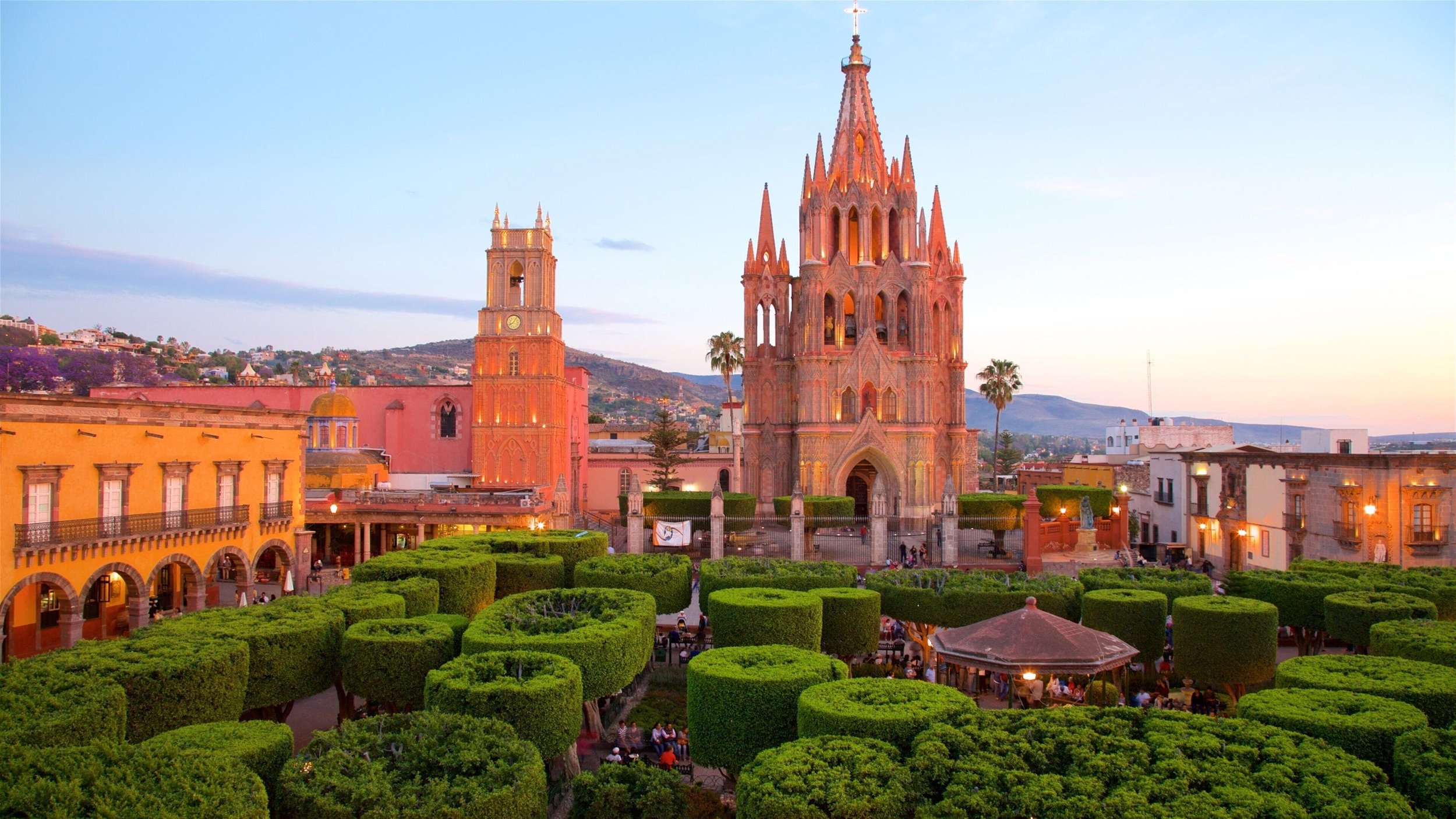
Here is something nobody tells you when you start planning a destination wedding: you are not really planning a wedding. You are planning a long weekend for everyone you love, in a place most of them have never been.
That sounds like more work, and it is. But it is also the secret to the best destination weddings I photograph. When guests get on a plane for you, the day itself stops being the whole story. The dinner the night before, the free afternoon by the pool, the farewell brunch where everyone is a little sunburned and very happy, those moments are what people remember, and they are what turn a wedding into a trip your favorite people will talk about for years.
Here is how to build a destination wedding weekend itinerary that makes your guests feel hosted, not just invited.
Why a Destination Wedding Is Really a Weekend, Not a Day
When someone travels across a border, or an ocean, to be at your wedding, they are giving you their time off, their flights, and often a chunk of their savings. In return, they want more than a three-hour reception.
The good news is that this works in your favor. A wedding weekend gives everyone time to actually connect, instead of the rushed, blink-and-it-is-over feeling of a single-day wedding at home. It also takes the pressure off you. When the celebration is spread across a few days, no single moment has to carry the whole thing.
The trick is structure. Too little and guests feel lost in a strange place. Too much and they feel trapped in a schedule they did not sign up for. The best itinerary sits right in between.
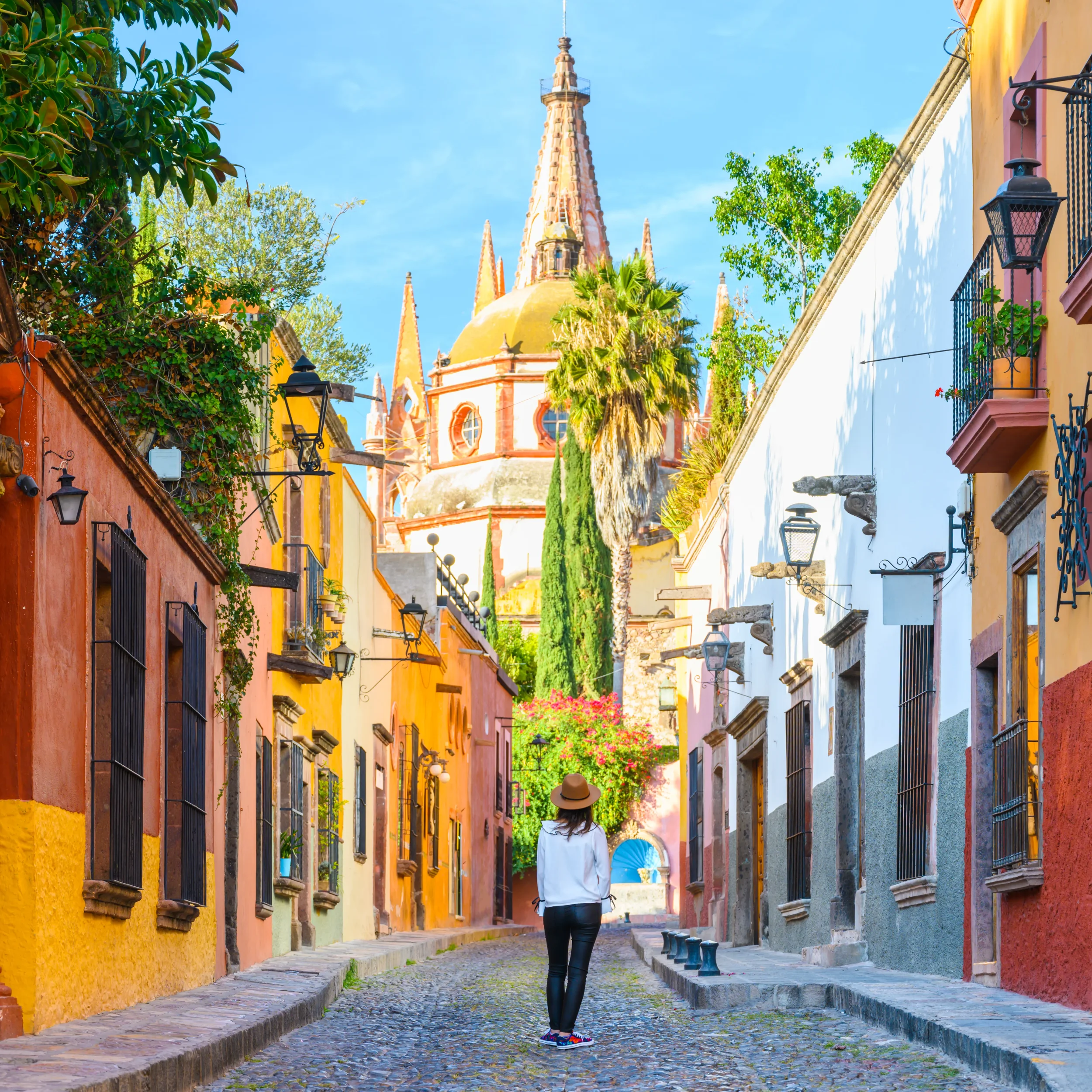
The Shape of a Great Wedding Weekend
Most destination weddings I photograph follow a loose Thursday-to-Sunday rhythm. You can shorten or stretch it, but the shape tends to hold.
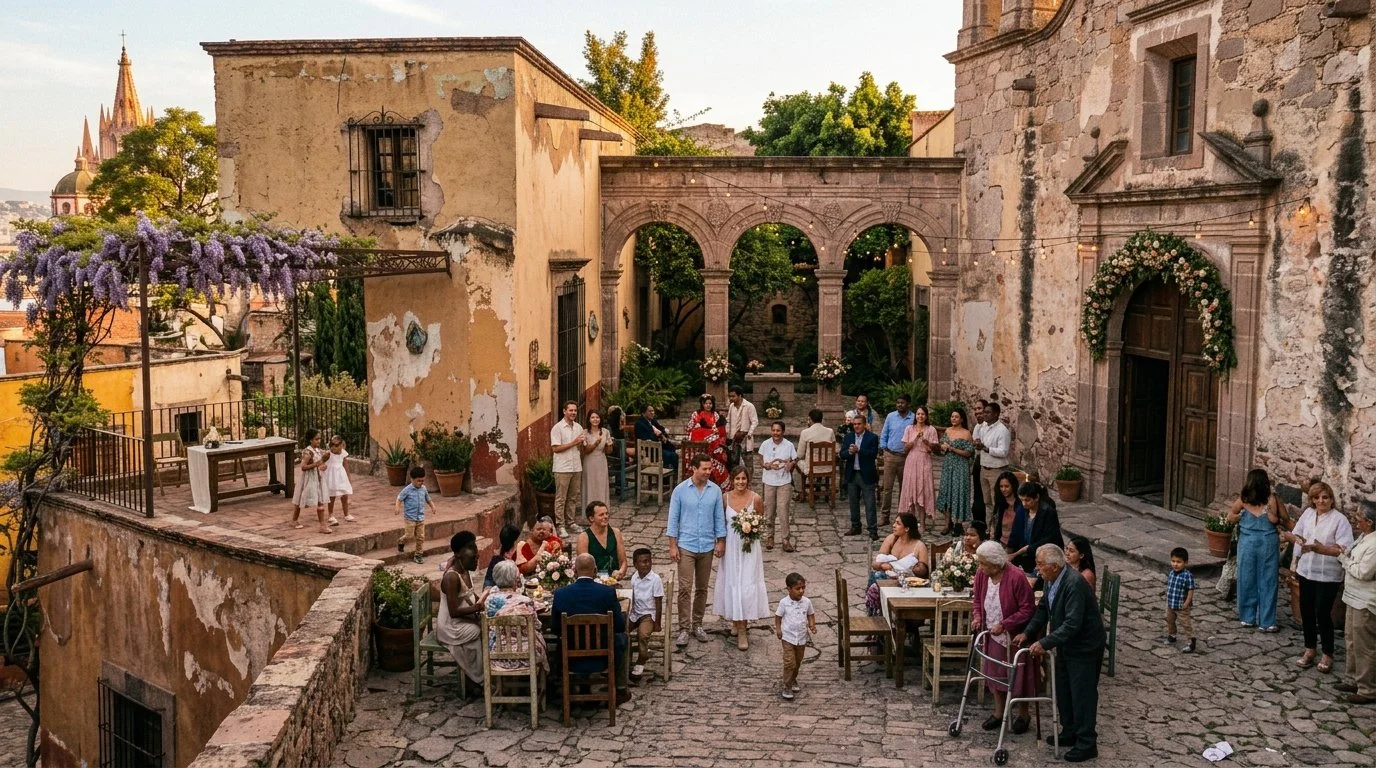
Thursday, Arrivals and a Welcome Dinner
Guests trickle in through the day, tired from travel and unsure where to go. A relaxed welcome dinner that evening is the single best thing you can do for the whole weekend. It does not need to be fancy. A long table at a local restaurant, a taco spread, a rooftop with drinks. What matters is that everyone meets, the ice breaks, and by the wedding day your two guest lists already feel like one.
Friday, A Free Day With One Optional Activity
Resist the urge to fill this day. Guests need time to sleep in, explore, and enjoy the place they flew to. Offer one optional group activity in the late morning or afternoon, a boat trip, a tasting, a guided walk, and leave the rest open. The word optional matters. Nobody should feel guilty for choosing the pool instead.
Saturday, The Wedding Day
The main event. With the welcome dinner behind you and a relaxed day of rest, everyone arrives at the ceremony loose, connected, and ready to celebrate. You will feel the difference, and so will the photos.
Sunday, A Farewell Brunch
A casual send-off brunch is the perfect bookend. No schedule, no speeches, just coffee and one last hour together before flights. It is also one of my favorite times to photograph, because everyone has dropped their guard completely.
Build In Free Time, and Protect It
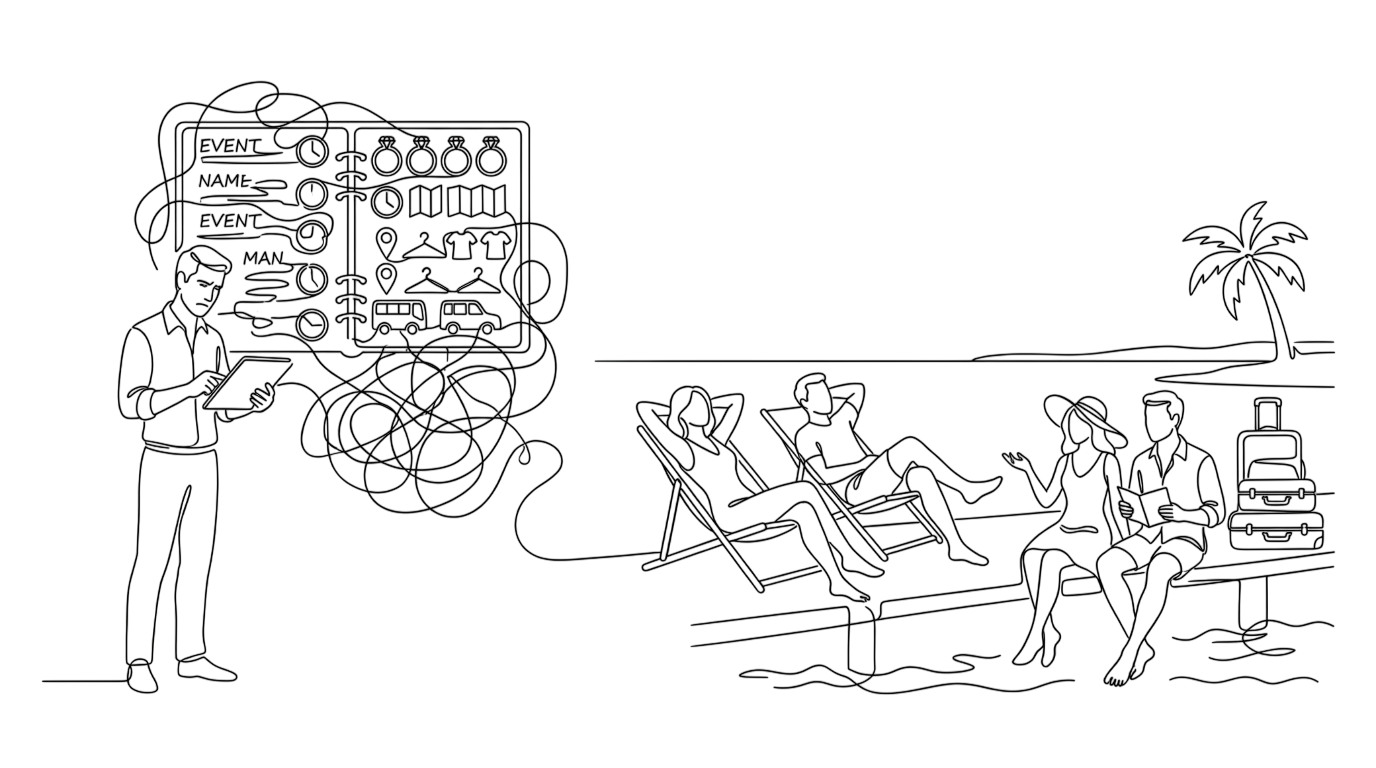
The most common mistake I see is a weekend packed so tightly that guests never get a minute to themselves. Remember that your guests are also on vacation. They want to see the place. Leaving real gaps in the schedule is not lazy planning, it is generous planning. A good rule of thumb: for every organized event, leave an equal block of unstructured time around it.
One Group Activity That Fits the Destination
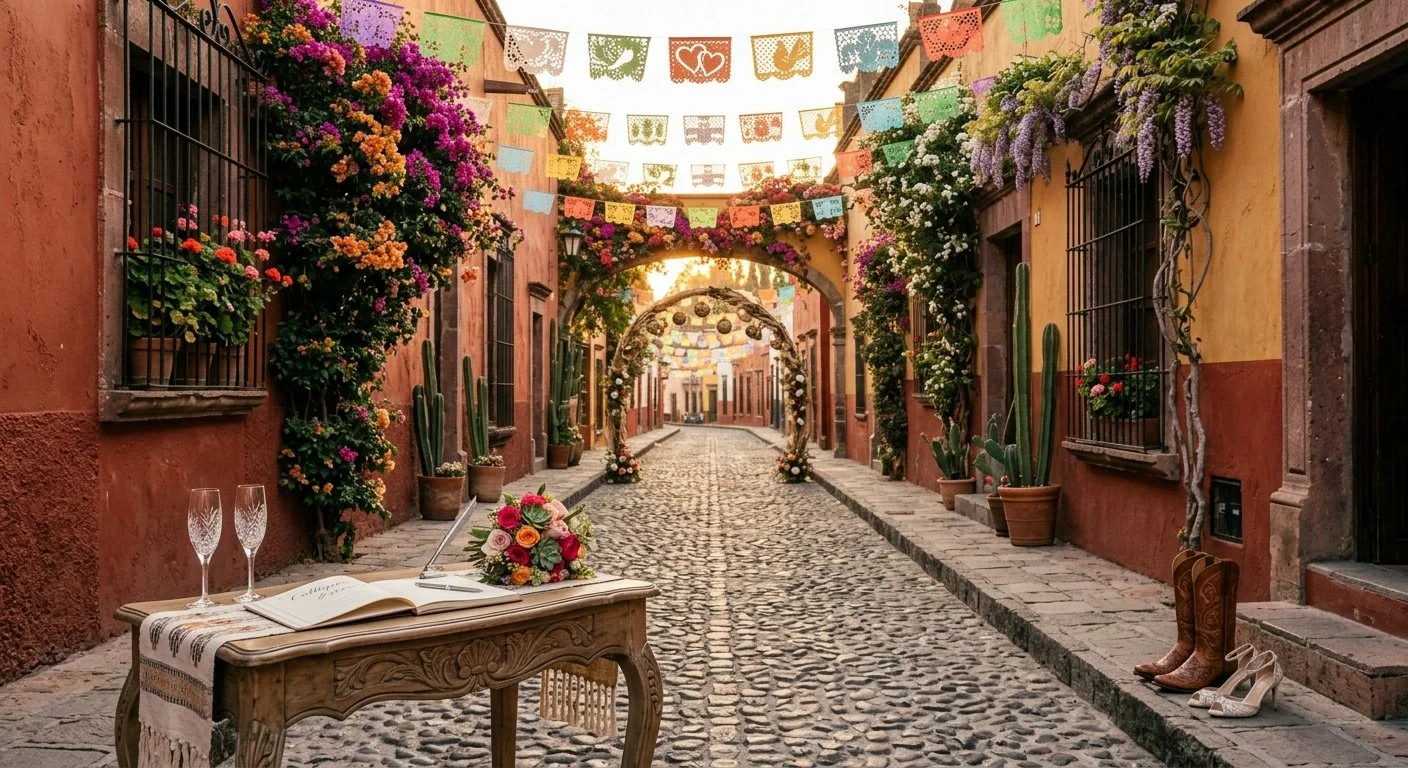
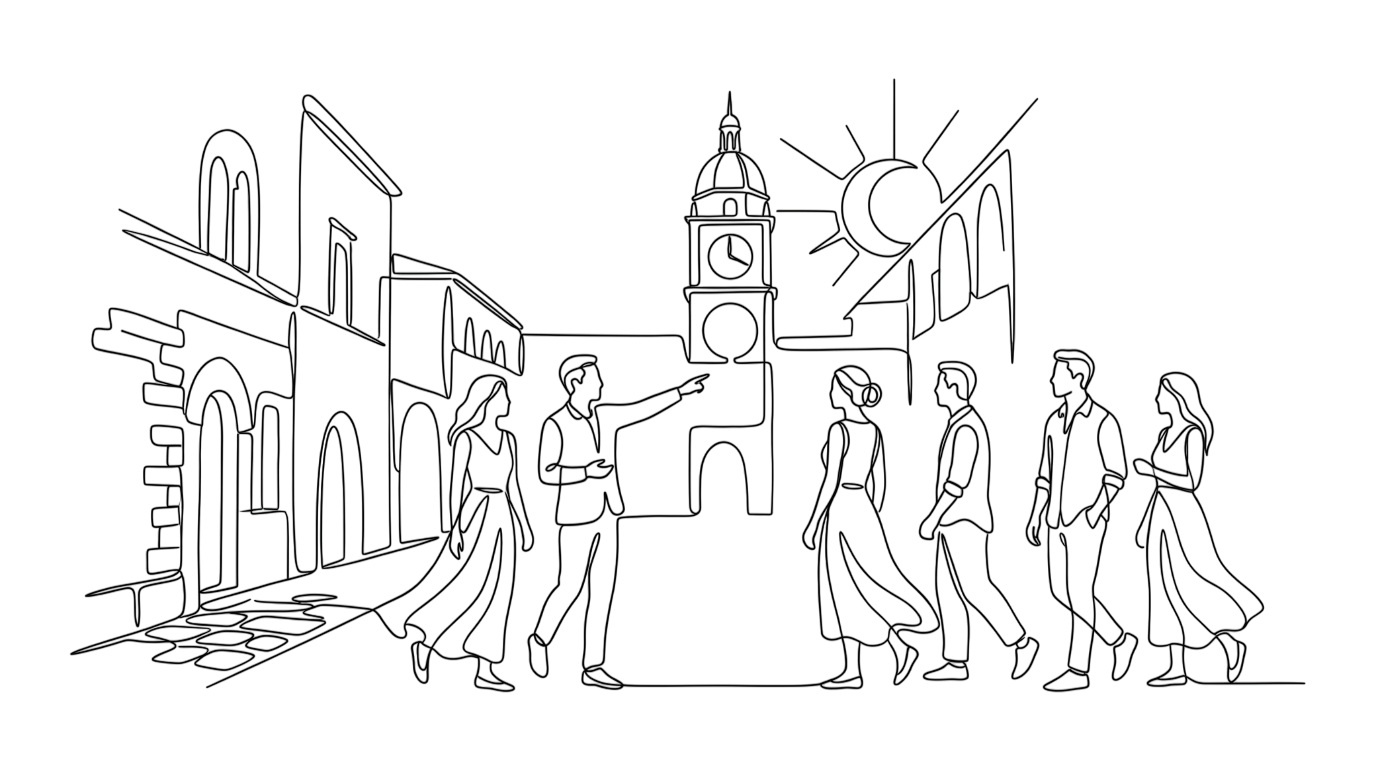
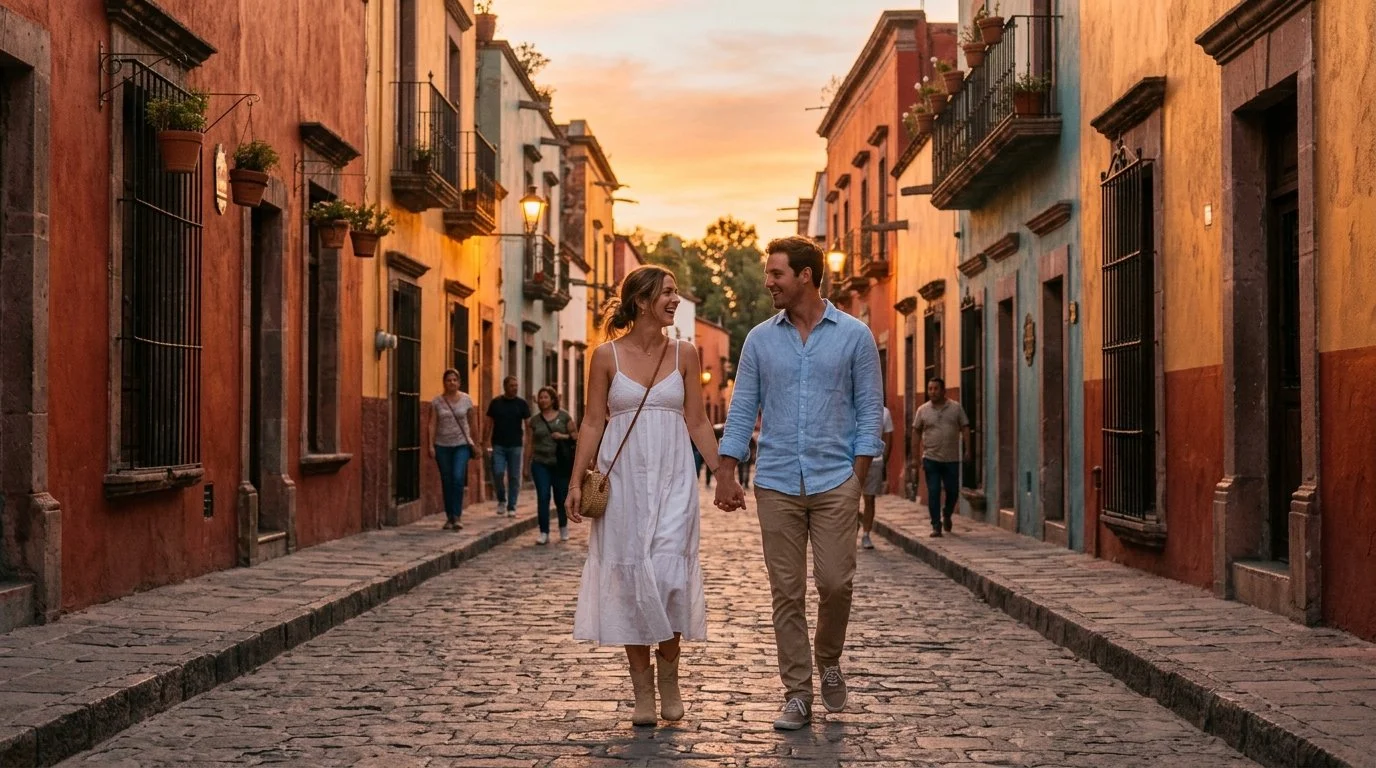
If you plan a single shared activity beyond the meals, make it something only this place can offer. A mezcal tasting in Oaxaca. A boat trip along the coast. A guided walk through an old town at golden hour. It gives guests a shared memory tied to the destination, and it doubles as a beautiful, relaxed photo opportunity that feels nothing like posing.
Communicate the Plan Before Anyone Boards a Flight
An itinerary only works if your guests actually know it. Send a simple schedule ahead of time, through a wedding website, a group message, or a printed card in each welcome bag. Include the basics: what is happening, when, where, what to wear, and how to get there. A guest who knows the plan is a relaxed guest, and a relaxed guest is a better time for everyone, including you.

Don't Over-Schedule, Really
It is worth saying twice. The instinct to plan every hour comes from a good place, you want people to have fun, but the weekends that feel best are the ones with room to breathe. Give your guests a few anchor points and let the rest happen on its own. The unplanned afternoon by the water is often the one people talk about later.
How the Itinerary Shapes Your Photos
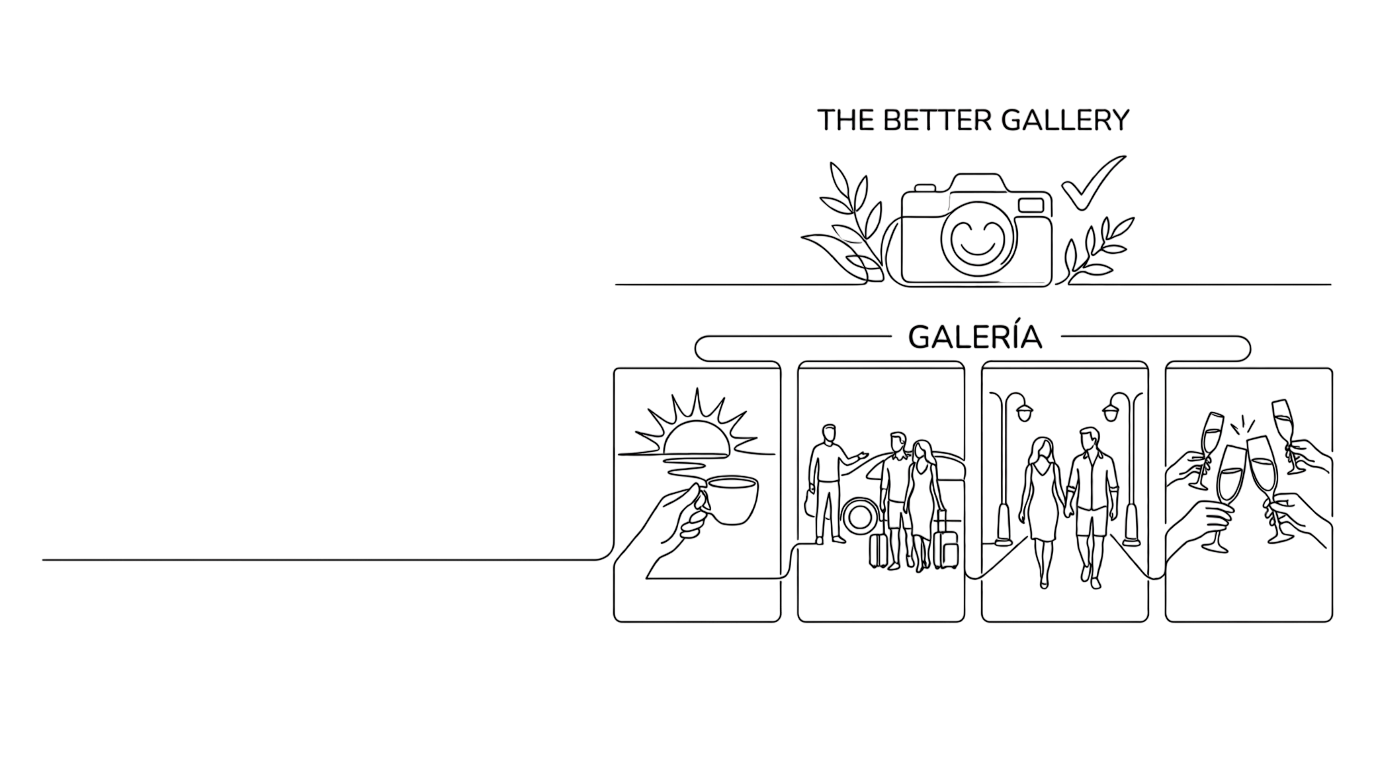
There is a direct line between a well-built weekend and a better gallery. A packed, stressful schedule shows up in tense faces and rushed moments. A relaxed one shows up as real laughter and ease. The extra days also give me far more to work with than a single wedding day allows: the coffee before the ceremony, the guests arriving, the walk to dinner, the last toast before everyone flies home. These in-between moments are often the most honest, and they are only possible when the weekend has space in it.
Welcome Bags Set the Tone Before the First Event
A small welcome bag waiting in each guest's room is one of the easiest ways to make people feel taken care of the moment they arrive. It does not need to be elaborate. A printed itinerary card, a bottle of water, some local snacks, sunscreen if you are somewhere warm, and maybe a note of thanks. Beyond the kind gesture, it quietly does two jobs: it puts the weekend schedule directly in everyone's hands, and it gives your guests a little taste of the destination before the first event even starts. It also photographs beautifully as part of the getting-ready story, so it earns its place twice.

A Sample Three-Day Wedding Weekend
For couples who want a starting point, here is a simple version to adapt:
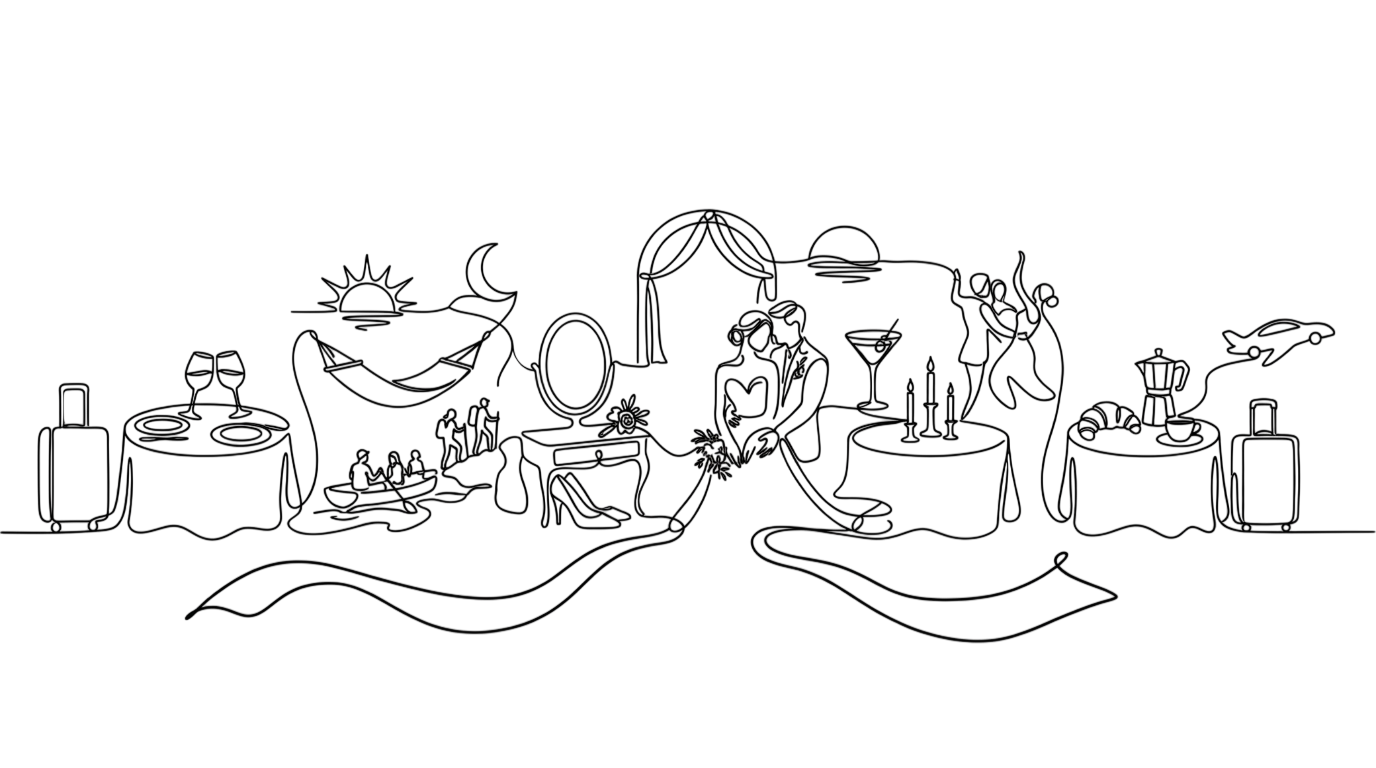
Thursday: guests arrive, welcome dinner in the evening. Friday: free morning, one optional group activity in the afternoon, evening open. Saturday: getting ready, ceremony in the late afternoon timed to the light, cocktail hour, dinner, and dancing. Sunday: farewell brunch, then departures.
Adjust the length to your guest list and budget, but keep the bones: a warm start, a protected free day, the wedding, and a gentle goodbye.
A Couple of Common Questions
Do we have to pay for every event? No. Couples usually host the welcome dinner and the wedding, while the optional activity and free-time meals are often on guests. Just be clear in advance about what is covered so nobody is caught off guard.
What if guests can only come for the wedding day? That is completely fine, and common. Build the weekend for the people who can stay, but make sure the wedding day itself stands on its own for those who cannot.
How far ahead should we share the itinerary? Send a rough version with your invitations or save the dates, and a final one a few weeks before the wedding once details are locked.
Let's Plan a Weekend Worth Traveling For
A great destination wedding is not just a beautiful ceremony. It is a few days that feel like a gift to the people who showed up for you. Build the weekend with that in mind, and the photos, and the memories, take care of themselves.
Planning a Destination Wedding Weekend?
The best moments of a wedding weekend happen between the events, not just during them. Guillermo Muñoz photographs destination weddings across Mexico and Spain with an emphasis on emotion, place, and the moments that make your story yours.
